Industries
HVAC answering service: emergency call triage
How an HVAC answering service separates a no-heat emergency from a routine call, and why one missed $400 emergency job costs more than a year of the service.
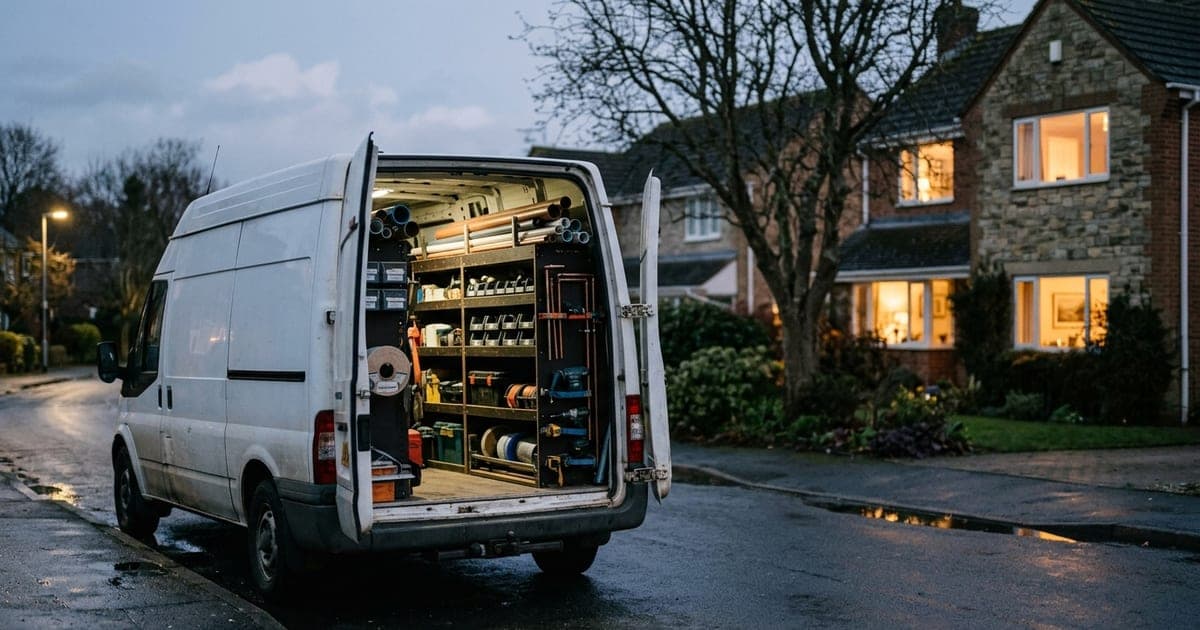
For trades, the value of an answering service is almost entirely in triage: telling a no-heat emergency from a routine quote request, capturing the address and number, and getting the urgent one to you immediately. A service that takes tidy messages but cannot tell those apart has missed the point of the job.
Most answering-service marketing talks about never missing a call. For a plumber or HVAC contractor that undersells the problem, because not all missed calls are equal.
A missed maintenance enquiry is a small loss; they will call back or you will call them. A missed no-heat call at 6pm in January is a customer who rings the next three numbers on the list and books whoever answers. That call was worth several hundred dollars, and you will never know it happened.
Triage is the product. Everything else is packaging.
What good triage sounds like
The customer will not say "this is an emergency". They will say:
- "There's no heat and the baby's home"
- "Water's coming through the ceiling"
- "The AC's out and it's 95 in here"
- "I can smell gas"
- "No hot water since this morning"
A service handling trade calls needs to recognise these as urgent from ordinary language, then do three things in order: capture the address and callback number, alert you immediately, and tell the customer honestly what happens next.
That last part matters more than it sounds. "Someone will call you back within the hour" keeps a customer waiting productively. Silence sends them to a competitor.
Gas smell is not an emergency booking — it is a safety call. Any service answering your phone must be scripted to tell the caller to leave the property and ring the emergency gas line, not to schedule a visit. Ask to see that script. If the provider has not thought about it, they have not answered for a trade before.
The economics of one missed emergency call
Do this calculation before you look at any price list. A missed emergency call is not a missed message. It is a $400 job, often more, that books with the next contractor on the list, usually within ten minutes of your phone ringing out.
The answering service that catches that call costs cents per answered call. Dial Milo bills around 6¢ per minute of answered time, so even a ten-minute emergency intake costs about 61¢. One recovered emergency job pays for months, often a year, of the service.
That asymmetry is why answering services pay for themselves faster in trades than in almost any other industry, and why the right comparison is one recovered job against the monthly cost, not the monthly cost against zero.
Storm-season surges and cold snaps
Trade call volume is not steady; it arrives with the weather. The first hard frost, the first 95-degree week, the storm that knocks out power across three counties: call volume multiplies overnight, exactly when you are flat out on jobs and least able to answer.
This shape is where the pricing model bites. A fixed monthly plan sized for your surge week is dead money in April — and a bundled-minute AI plan like Rosie's has the opposite problem, quietly upgrading you into a bigger plan for months after a single busy stretch. Per-minute billing with no monthly minimum scales with the weather instead — the brutal fortnight costs more, the quiet one costs almost nothing, and you never pay for capacity you did not use. We compare the models properly in answering service cost.
The information a trade call must capture
Trades have a longer required intake than most businesses, and a message missing any of it means a callback before you can even quote:
- Address, including access notes — gate codes, parking, which door
- Callback number, read back to confirm
- What is wrong, in the customer's own words rather than a category
- How urgent, and whether anyone is at risk or the property is at risk
- Property type — owner, tenant, landlord, commercial — because who authorises the work changes what you do next
- Equipment details if known: boiler make, system age, what was done last time
An answering service that reliably captures these turns a missed call into a job you can price on the way to the van. One that captures a name and "wants a plumber" has saved you nothing.
Emergency versus after-hours are not the same question
Two distinct decisions, and conflating them is the common mistake:
Do you want emergency calls escalated to you personally, at night? Some contractors do — the callout rates justify it. Others deliberately do not, and want emergencies captured and booked first thing. Both are legitimate; the service needs to know which.
Do you want routine calls answered out of hours? Cheaper, lower stakes, and often the larger volume.
Decide these separately before you shop, because a service configured for the wrong one either wakes you for a dripping tap or lets a burst pipe wait until Tuesday.
What to test before signing
- 1
Call it with a real emergency, in real words
“There's no heat and I've got a newborn.” Time how long until your phone rings. That number is the product.
- 2
Call it with a tyre-kicker
“How much roughly for a new boiler?” The right answer captures details and offers a callback. The wrong answer invents a price — a quoted figure you did not authorise is a job you either lose money on or argue about.
- 3
Check the message you actually receive
Is the address complete? Is the number right? Could you ring back and sound informed? Most services pass the call test and fail this one.
- 4
Test the gas-smell script
It should refuse to book and direct the caller to the emergency line. There is no acceptable alternative.
Where AI fits, and where it doesn't
An AI receptionist handles the triage and intake reliably: it recognises urgency from natural phrasing, captures the full address and number every time without fatigue, and texts you the moment something is urgent. It does not get tired at 2am, and it costs nothing on a quiet night.
What it should not do is quote prices for work it cannot scope, or promise arrival times you have not agreed. A boiler replacement quoted over the phone by software is a job you will regret.
Dial Milo is built around that split for trades: it triages emergency against scheduled, captures address, callback number and description, and texts you immediately when something is urgent — while refusing to quote work it cannot price. The wider comparison of options is in after-hours answering services.
For your business
Don't lose another $2,000 emergency to voicemail.
Milo picks up while you're on a roof, under a sink, or driving between jobs. She screens emergency vs scheduled, captures the address and callback number, and texts you the moment something's on fire — literally or otherwise.
Get Milo answering your trades lineFrequently asked questions
- What should an HVAC answering service do with an emergency call?
- Recognise it from the words a customer actually uses — no heat, no cooling, water everywhere, gas smell, no hot water — capture the address and callback number, and alert you immediately rather than adding it to a message list. Anything that treats a no-heat call in January the same as a maintenance enquiry is not doing the job.
- Is an answering service worth it for a one-van operation?
- Often yes, because the economics are lopsided. A single missed emergency can be worth more than a year of the service, and a sole operator is exactly the person who cannot answer while under a sink. Price it against one recovered job, not against the monthly fee in isolation.
- What does an HVAC answering service cost?
- Two shapes. Human services charge a monthly minimum, typically $250 or more, plus per-minute or per-call overages, and you pay the minimum whether the phone rings or not. AI receptionists bill per answered minute with no minimum: at Dial Milo's published ~6¢/min, sixty 90-second calls a month costs about $5.50. Price both against your real volume, including the surge weeks.
- Can an answering service book jobs into my calendar?
- Only if it writes to your actual scheduling system. Otherwise it takes a request that someone keys in later, which is fine at low volume and a source of double-bookings when you are busy. Ask which system it connects to.
- What about gas leaks and genuinely dangerous calls?
- Any service answering trade calls must have an explicit instruction to tell callers to leave the property and ring the emergency gas number, not to book them a visit. Ask to see how that is scripted before you sign — it is a safety matter, not a feature.
Keep reading
Answering Service
After hours answering service: what to know
What an after hours answering service costs, what happens to your 9pm callers without one, and how to choose between forwarding, a human service and AI.
ReadAnswering Service
Answering service cost: what you'll actually pay
What answering services really cost: a receptionist at $3,000–4,000 a month, traditional plans from $250 plus overages, or pay-as-you-go AI at cents a minute.
ReadAI Receptionist
What is an AI receptionist?
A plain-English explanation of what AI receptionists do, how they sound on the phone, and where they fit (or don't) in a small business.
Read