Industries
Property management answering service
How a property management answering service triages tenant emergencies at 2am, keeps the call records that protect you, and what it should cost.
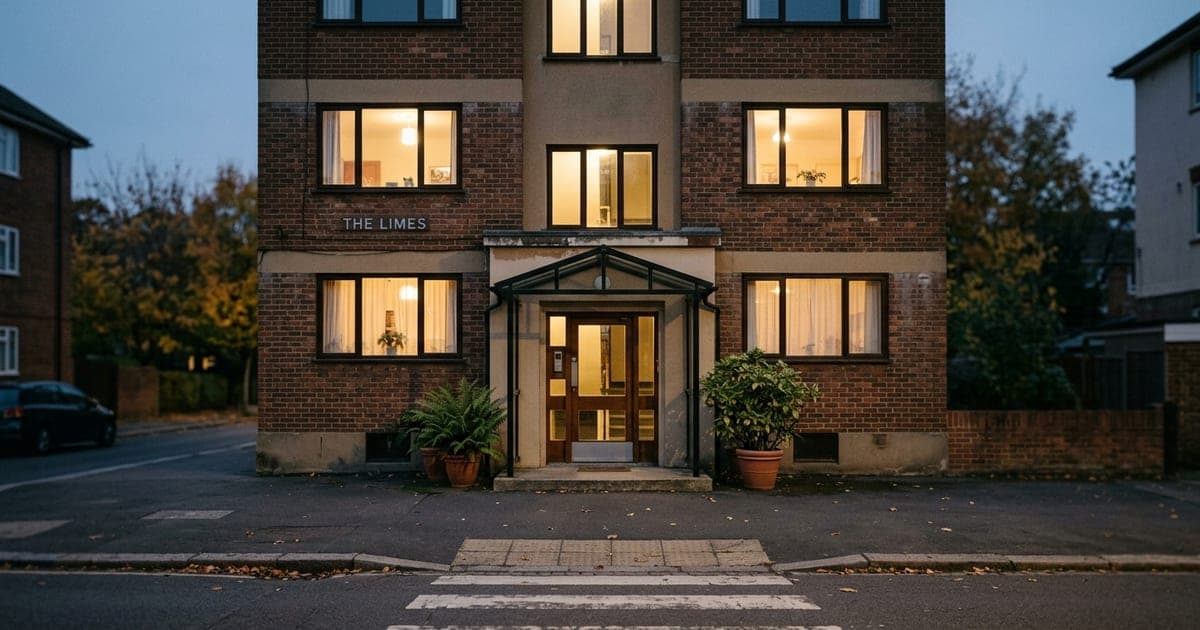
Property management calls are mostly tenant maintenance, and they arrive at bad hours. The job of an answering service is to separate a genuine emergency from a Monday-morning job, follow your escalation rules exactly, and leave a timestamped record of what was reported. That record matters as much as the response.
Property management has an unusual call profile. The volume is not enormous, but it is unpredictable, disproportionately out of hours, and occasionally consequential in a way that a missed sales enquiry never is.
A tenant reporting no heat is not a lead. They are a legal obligation with a clock running.
What the calls actually are
Maintenance requests. The bulk of it. Most can wait; some cannot, and the difference is not always obvious from how calmly the tenant describes it.
Genuine emergencies. No heat in winter, flooding or an active leak, no water, sewage backup, gas smell, a failed lock or broken external door, fire and safety issues. These need action tonight, and in many jurisdictions the clock on habitability starts when the tenant reports it — not when you pick up the message.
Lockouts. Frequent, usually not an emergency, and a common source of argument about who pays.
Prospective tenants. Enquiries about listings, viewings and applications. Ordinary business calls that happen to share the line.
Everything else. Neighbour complaints, noise, parking, deliveries, contractors needing access.
A service that treats all of these as "take a message" wastes the two categories that matter.
Three tenant calls that decide whether the service works
"There's water coming through my kitchen ceiling." An active leak at 2am. The service must capture the unit and callback number, start your escalation chain immediately, and tell the tenant honestly what happens next. Every minute of delay is water in someone else's flat.
"The heat's been out since yesterday and there are kids in the flat." A habitability emergency whose clock started when the tenant first tried to report it, which may be this call. It needs tonight's escalation and a timestamped record. If this becomes a dispute in three months, that record is your defence.
"The extractor fan's stopped working." Annoying, not urgent. It should be logged for the morning with a confirmation to the tenant. A service that wakes your on-call manager for this trains them to ignore the phone, and then the 2am leak goes to voicemail.
Get those three right and the rest of the call mix is detail. Get the third one wrong and the first two eventually stop working too, because nobody trusts the alerts any more.
The record is half the product
This is what makes property management different from most industries buying an answering service.
If a tenant later claims they reported a heating failure on the 3rd and nothing happened until the 11th, your position depends entirely on what you can show. A timestamped record of the call, what was reported in the tenant's words, and who was notified when, is often the difference between a routine repair and a dispute you cannot win.
When comparing services, ask what record you get and where it lives. A text message to a manager's phone is not a record — it is on one device, it is not searchable, and it disappears with the handset. You want a log you can retrieve months later.
Escalation rules need writing down
The single biggest determinant of whether this works is how precisely you define escalation. Vague instructions produce either 2am calls about a dripping tap or a burst pipe left until Tuesday.
Be specific about:
- What counts as an emergency, in the words tenants actually use, not in categories
- Who is called, in what order, and how long to wait before trying the next person
- What the service may tell the tenant — including that someone will attend, which is a promise you have to keep
- What happens if nobody answers. This is the case people forget to plan, and it is exactly the case that generates complaints
- Which properties have different rules, if you manage for multiple owners with different arrangements
Multi-owner portfolios
If you manage properties for several owners, the service needs to know which property a caller is at before it can apply the right rules — different contractors, different spending limits, different emergency contacts.
Ask how the service identifies the property. Doing it from the caller's number alone is unreliable, since tenants call from mobiles that are not on any list. Asking for the address at the start of every call is unglamorous and works.
What to test
- 1
Report an emergency in plain language
“There's water coming through my kitchen ceiling.” Time the escalation, and check who got contacted.
- 2
Report something borderline
“The extractor fan's stopped working.” It should be logged for the morning, not escalated. Getting this wrong in either direction is what makes services unbearable.
- 3
Check the record you can retrieve
Ask for the log of both calls a week later. If you cannot get a timestamped account of what was reported, you do not have the thing that protects you.
- 4
Test the nobody-answers path
Make your escalation contacts unreachable and see what the service does. Silence is the wrong answer; so is telling the tenant someone is on the way.
Cost
Volume is usually low and lumpy — nothing for a fortnight, then a cold snap produces six calls in a night. That shape suits per-minute pricing with no monthly minimum, and suits fixed monthly plans badly, since you size the plan for the bad week and pay for it during the quiet ones.
The value calculation is also different from most industries. You are not buying recovered revenue; you are buying reduced risk on habitability obligations and a record that stands up. Priced against a single disputed repair, the monthly fee is usually not the deciding factor. The pricing models are compared in answering service cost.
Where AI fits
Triage and intake are exactly what it is good at: recognising urgency from natural phrasing, capturing the property address and callback number every time, applying your escalation rules identically at 2am and 2pm, and logging all of it automatically.
Where it should not be trusted alone is authorising spend, promising an arrival time you have not agreed, or handling a tenant who is distressed and needs a person. Those need a human, and the handoff needs to be quick.
Dial Milo covers the first half: it answers every call, triages by rules you set, routes to the right contractor or manager, and keeps a timestamped transcript of every call. The trades side of the same problem — the contractors receiving these callouts — is in HVAC and plumbing answering services.
Frequently asked questions
- What should a property management answering service do at 2am?
- Separate a genuine emergency — no heat, flooding, no water, a security or fire risk, a lockout in some jurisdictions — from something that can wait until morning, then follow your escalation rules exactly. The value is in the triage plus a reliable record of what was said, because that record is what protects you later.
- How much does a property management answering service cost?
- Human services typically start around $250 a month plus per-minute overages, which suits steady volume. Property management volume is the opposite: quiet weeks, then a cold snap. Per-minute AI pricing with no monthly minimum fits that shape, because you pay for answered calls only and the quiet fortnight costs almost nothing.
- Can an answering service dispatch contractors?
- Some human services will call your contractor list on your behalf; most AI services will notify rather than dispatch. Be precise about what you are buying — 'we handle emergencies' can mean anything from a text to you through to arranging the plumber.
- Why do records matter so much for tenant calls?
- Because habitability disputes turn on when a tenant reported a problem and what happened next. A timestamped log of the call, what was reported and who was notified is often the difference between a straightforward repair and a defensible position months later.
- Does an answering service work for a small landlord with a few units?
- Yes, and the economics can be better than for large managers, because a small portfolio rarely justifies anyone being on call. Per-minute pricing with no minimum suits low, unpredictable volume — you are buying cover for the nights something goes wrong, not a staffed desk.
Keep reading
Industries
HVAC answering service: emergency call triage
How an HVAC answering service separates a no-heat emergency from a routine call, and why one missed $400 emergency job costs more than a year of the service.
ReadAnswering Service
After hours answering service: what to know
What an after hours answering service costs, what happens to your 9pm callers without one, and how to choose between forwarding, a human service and AI.
ReadAnswering Service
Answering service cost: what you'll actually pay
What answering services really cost: a receptionist at $3,000–4,000 a month, traditional plans from $250 plus overages, or pay-as-you-go AI at cents a minute.
Read